To strengthen the credibility and impact of Supreme Audit Institutions, ASEANSAI Training Committee organized a Learning Session on ISSAI 140 Quality Management for SAIs, held virtually on 12 August 2025. The session brought together 188 participants representing ASEANSAI member SAIs, reflecting strong regional interest in advancing audit quality management practices.
Building Trust Through Quality Management
Public trust in audit institutions is closely linked to the quality of the audit work they deliver. In this context, the revised ISSAI 140, endorsed in November 2023 and effective from 1 January 2025, introduces a significant shift from a quality control approach toward a System of Audit Quality Management (SOAQM).
Unlike the previous version, which emphasized compliance and static procedures, the revised standard adopts a systemic, risk-based, and adaptive approach, enabling SAIs to consistently deliver high-quality audits while responding to evolving risks and organizational contexts.
The new ISSAI 140 expands the scope of resources, including technology and intellectual capital, and introduces additional components such as risk assessment processes and information and communication mechanisms, strengthening the overall governance of audit quality.
Objectives of the Learning Session
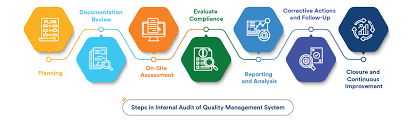
The learning session aimed to provide ASEANSAI member SAIs with an overview of the revised ISSAI 140 and its practical implications. The discussion focused on the seven key components of SOAQM and how these elements can be implemented to support sustainable audit quality and institutional credibility.
The session also served as an initial step toward more advanced capacity development activities facilitated by the ASEANSAI Training Committee in the future.
Practical Insights From Experienced Facilitators
The session was facilitated by representatives from the Supreme Audit Institution of the Philippines, who have undergone training supported by the INTOSAI Development Initiative and have hands on experience in designing and implementing SOAQM.
Through presentations, interactive discussions, and quizzes, facilitators shared practical perspectives on implementation challenges, organizational readiness, and the benefits of adopting a risk based quality management system.
Key Outcomes and Way Forward
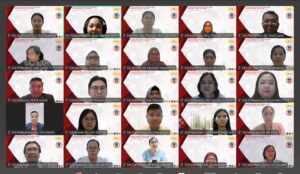
Participants gained a clearer understanding of the differences between the previous and revised ISSAI 140, the strategic importance of SOAQM, and the need for continuous monitoring and improvement. The session also highlighted the demand for follow up training to support effective adoption of the revised standard across ASEANSAI member SAIs.
This learning session marks an important milestone in ASEANSAI’s collective efforts to enhance audit quality, reinforce institutional trust, and strengthen the contribution of SAIs to good governance in the public sector.